
Smaller homes. More possibilities.
Give Texas homeowners more freedom to add a home on their property.
A backyard cottage can give an aging parent a place nearby. A garage apartment can help an adult child live independently. A small rental home can provide housing for a neighbor and income for a homeowner.
Accessory dwelling units, or ADUs, create these possibilities on properties that already have a home. Making them easier to build gives Texans more flexibility to meet changing family needs and adds housing options within existing neighborhoods.
What is an ADU?
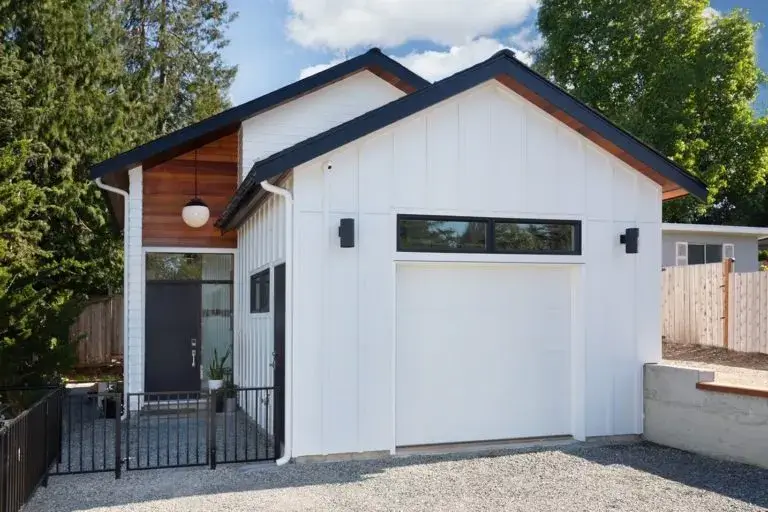
An accessory dwelling unit is an additional, self-contained home on the same property as a primary residence. ADUs are sometimes called backyard cottages, garage apartments, granny flats, or casitas.
An ADU can be a separate building, an addition, or a converted space within an existing structure. It provides independent living space, including cooking and bathroom facilities.
Why ADUs matter
Housing needs change over time. Families grow, parents need support, adult children move home, and homeowners look for ways to manage expenses.
ADUs give property owners another way to respond.
Making ADUs easier to build can:
- Keep families close. Relatives can live nearby while maintaining separate living spaces.
- Add smaller housing options. ADUs offer an alternative for people who do not need a large house.
- Support homeowners. Rental income can help owners manage housing and maintenance expenses.
- Create homes within existing neighborhoods. An additional dwelling makes room for another household on an already developed property.
Reporting on Texas’ housing debate identifies both family housing and rental income as reasons homeowners seek to build ADUs. Read the Texas Tribune reporting republished by News From The States.
Permission on paper should lead to a workable path
A city may allow ADUs while imposing requirements that make them difficult to build. Rules governing parking, size, placement, and approvals can determine whether a homeowner has a realistic opportunity to add a home.
Texas needs a clear, practical path for homeowners. Standards should address safety and infrastructure needs while allowing ADUs to serve their basic purpose: providing another place to live.
The distinction matters in Texas, where reporting has documented that local rules can hinder ADU construction even when the homes are technically allowed. Read more about the barriers and the debate over reform.
What Texans for Housing supports
Texans for Housing supports making it easier for homeowners to add ADUs through clear, workable rules.
Practical reforms include:
- Establishing a predictable approval path for ADUs that meet objective standards.
- Allowing a range of designs, including backyard cottages, garage apartments, and interior conversions.
- Removing unnecessary parking mandates and overly restrictive size or setback requirements.
- Making permitting requirements and fees clear and proportionate to the project.
- Maintaining building-safety standards and addressing infrastructure needs without using them to create unnecessary barriers.
Does allowing ADUs require homeowners to build one?
No. ADU reform gives homeowners an additional option. Each owner can decide whether an ADU makes sense for their property, finances, and family.
Are ADUs the same as short-term rentals?
No. An ADU is a type of home; short-term rental describes how a property is used. ADUs can house relatives, caregivers, or long-term tenants.
Communities can address short-term rental concerns directly while preserving opportunities to create homes for long-term residents.
More flexibility for homeowners. More homes for Texans.
Texas families should have practical options when their housing needs change. Making ADUs easier to build can help relatives stay close, support homeowners, and create more places to live—one small home at a time.